

How to support elder vitality: a practical guide
TL;DR:
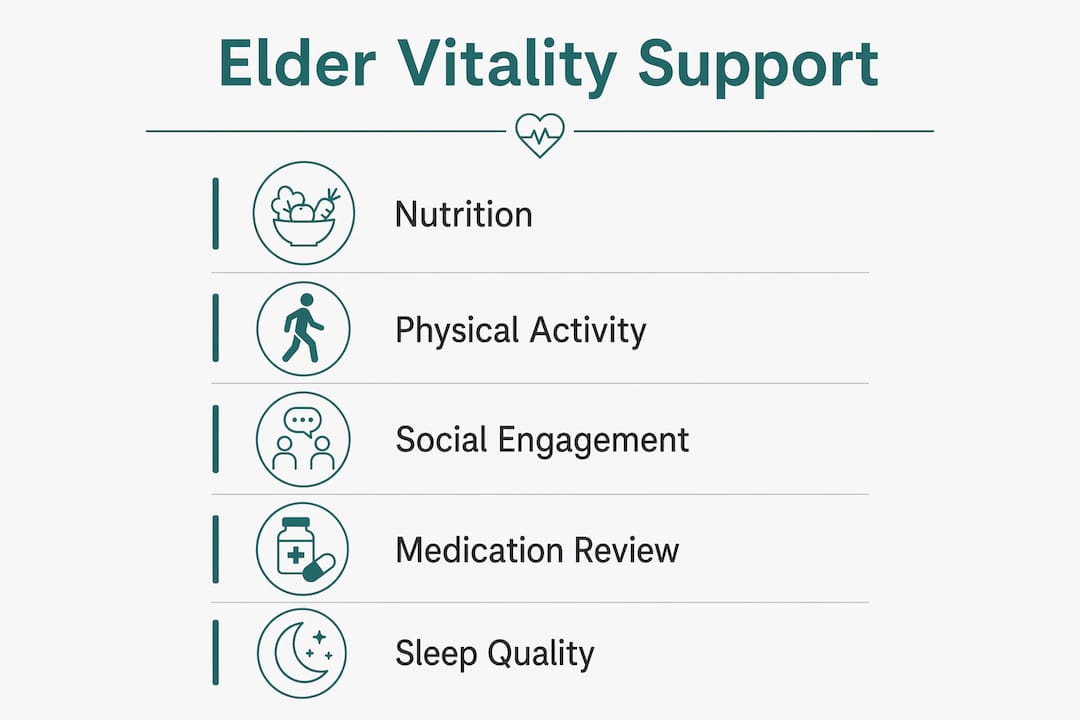
- Elder vitality depends on supporting nutrition, physical activity, and social engagement to maintain health during aging. Proper protein intake, regular moderate exercise, and structured social activities significantly enhance independence and cognitive function. Regular medication reviews and personalized caregiver support are essential for sustaining energy and overall well-being in older adults.
Elder vitality is defined as the sustained capacity of older adults to maintain physical strength, cognitive sharpness, and emotional wellbeing throughout the ageing process. Knowing how to support elder vitality is one of the most practical contributions you can make to a family member’s quality of life. The good news, confirmed by research from Johns Hopkins Medicine and Stanford Medicine, is that energy and independence are not inevitable casualties of age. Nutrition, movement, social connection, and attentive caregiving each play a measurable role. This guide covers all four pillars with specific, evidence-based steps.
What nutritional strategies best support vitality in the elderly?
Nutrition is the foundation of elder vitality, and protein intake is the single most underestimated variable. Healthy older adults require 1.0 to 1.3 grams of protein per kilogram of body weight daily to preserve muscle mass. For a person weighing around 68 kilograms, that translates to roughly 68 to 88 grams of protein per day. Without this, muscle loss accelerates, reducing mobility and independence faster than any other dietary factor.
The Mediterranean-style diet is the most studied dietary pattern for improving vitality in elderly populations. It prioritises whole grains, legumes, fish, olive oil, and abundant fresh produce. This pattern reduces inflammation and supports cardiovascular health, both of which directly affect energy levels and cognitive function in older adults.
Micronutrient deficiencies are equally damaging. B12 and vitamin D deficiencies suppress energy and impair neurological function, yet both are common in adults over 65 due to reduced absorption and limited sun exposure. Antioxidants from colourful vegetables and berries further protect against cellular ageing. The Vivetus blog on vitamin intake for ageing provides a detailed breakdown of which vitamins matter most and why.
Ultra-processed foods are the clearest dietary threat to senior wellness. They displace nutrient-dense options, spike blood sugar, and contribute to fatigue. Johns Hopkins research recommends that at least 50% of meals consist of raw fruits and vegetables to restore and sustain energy. That figure is higher than most people assume, and it underscores how much dietary quality directly shapes daily vitality.
Key protein sources to incorporate daily:
- Eggs, Greek yoghurt, and cottage cheese for easily digestible animal protein
- Lentils, chickpeas, and edamame for plant-based alternatives
- Oily fish such as salmon and mackerel, which also supply omega-3 fatty acids
- Fortified foods or supplements for B12 and vitamin D where dietary intake falls short
Pro Tip: If your family member struggles to eat large meals, spread protein intake across five smaller meals rather than three. This approach maintains muscle synthesis more effectively than one or two large servings.
How to design an effective physical activity routine for elder vitality
Physical activity is the second pillar of supporting active ageing, and the evidence for its benefits is unambiguous. Stanford Medicine confirms that older adults should target 150 minutes of moderate aerobic activity weekly, combined with two muscle-strengthening sessions. Structured routines at this level reduce dependency, improve balance, and support cardiovascular function. The key word is structured: ad hoc movement does not produce the same results as a consistent weekly plan.
A common misconception is that strength training requires heavy weights. Stanford research shows that lighter weights with more repetitions produce equivalent muscle-strengthening benefits while significantly lowering injury risk. Wall push-ups, chair squats, and resistance band exercises are all clinically effective for older adults. This removes one of the most common barriers to starting: fear of injury.
A practical starter routine for an elderly family member might look like this:
- Week 1 to 2: Three 10-minute walks per day at a comfortable pace, five days per week.
- Week 3 to 4: Extend one daily walk to 20 minutes and add two sessions of chair-based resistance exercises.
- Week 5 onwards: Introduce standing balance exercises such as single-leg stands near a wall or counter for safety.
- Month 2: Aim for two 30-minute aerobic sessions and two dedicated strength sessions weekly.
Incremental progression matters because it builds habit and confidence simultaneously. Small, consistent activity increments are as effective as formal gym sessions when they become habitual. A 10-minute walk three times a week, done consistently for months, produces measurable improvements in cardiovascular health and mood.
Balance training deserves specific attention because falls are the leading cause of injury-related hospitalisation in adults over 65. Simple additions include:
- Standing on one foot while holding a stable surface for 10 seconds per side
- Heel-to-toe walking along a hallway
- Seated leg lifts to strengthen hip flexors and improve stability
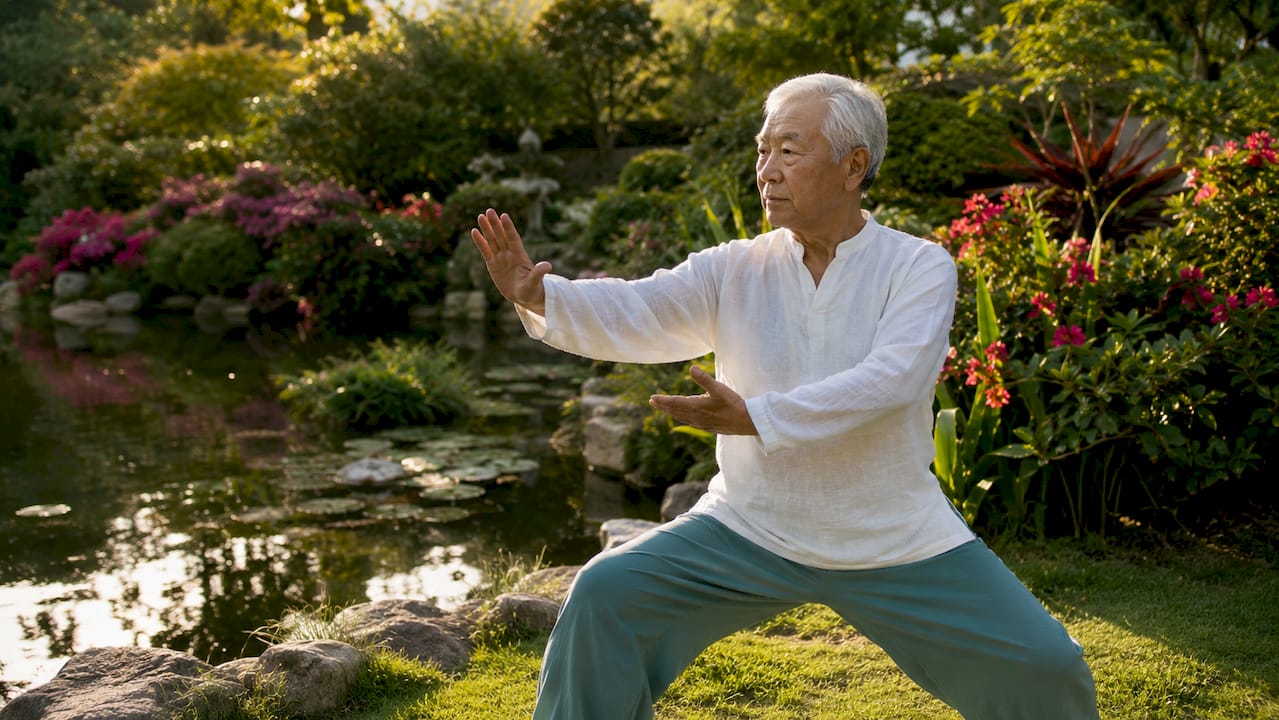
- Tai chi classes, which combine balance, coordination, and social engagement in one session
Pro Tip: Community exercise classes designed for older adults, available through local leisure centres or Age UK programmes, provide both physical structure and social motivation. The combination improves adherence significantly compared to solo exercise.
What role does cognitive and social engagement play in maintaining elder vitality?
Cognitive and social health are not separate from physical vitality. They are directly linked. Social isolation is a major risk factor for cognitive decline in older adults, and 2026 research identifies it as a modifiable risk factor that responds well to structured intervention. This means that deliberate social engagement is not a luxury. It is a health intervention with measurable outcomes.
Structured activities with a clear purpose sustain engagement better than unstructured socialising, particularly for adults aged 80 and above. Book clubs, volunteer roles, community gardening, and intergenerational programmes all provide cognitive stimulation alongside social contact. The combination of mental challenge and human connection produces stronger protective effects than either element alone.
Mental exercises that support brain health include:
- Daily crosswords, Sudoku, or word puzzles
- Learning a new skill such as a musical instrument, a language, or a craft
- Reading and discussing books or news articles with family members
- Memory games and card games played in groups
Technology offers practical solutions when in-person contact is difficult. Video calls via platforms such as FaceTime or WhatsApp maintain emotional connection across distances. Online communities and interest-based forums provide mental stimulation and a sense of belonging. For older adults who are less confident with technology, a single guided session from a family member is often enough to establish independent use.
Sleep quality also affects cognitive health in ways that are frequently overlooked. Consistent sleep habits, combined with exercise and diet, can improve deep sleep from as little as 15 minutes per night to 45 minutes. Deep sleep is the phase during which the brain consolidates memory and clears metabolic waste. Protecting it is a direct investment in long-term cognitive vitality.
How can caregivers monitor and adjust vitality support effectively?
Monitoring is what separates a plan that works from one that gradually loses effect. The most overlooked factor in elder energy levels is medication. Drugs managing blood pressure, diabetes, and depression frequently cause fatigue as a side effect, and many older adults accept low energy as normal ageing when it is actually a medication issue. A review with a GP every three to six months to assess whether doses can be reduced or adjusted can produce a marked improvement in vitality.
Practical monitoring tools and approaches include:
- Activity logs or wearable trackers to record daily step counts and sleep patterns
- Weekly check-ins to assess mood, appetite, and energy levels
- A simple symptom diary noting any new fatigue, dizziness, or changes in balance
- Regular blood tests to track B12, vitamin D, and iron levels
Blended interventions combining in-person support and digital health tools achieve over 90% adherence in elderly dietary and exercise programmes. This figure is striking because adherence is typically the weakest point in any long-term health plan. Using a combination of face-to-face guidance and app-based reminders or tracking produces results that neither approach achieves alone.
Open communication between caregiver and elder is the practical mechanism that makes all of this work. Goals should be personalised and agreed upon together, not imposed. An older adult who has chosen their own targets is far more likely to maintain them.
“Energy is not an inevitable casualty of ageing. Nutrition and medication management are key factors that are often overlooked.” — Johns Hopkins Medicine
Recognising signs that a plan needs adjustment is equally important. Persistent fatigue despite adequate sleep, loss of appetite, withdrawal from social activities, or a decline in balance are all signals to review the current approach with a healthcare professional rather than simply pushing through.
Key takeaways
Supporting elder vitality requires consistent attention to nutrition, physical activity, social engagement, and medication management across all stages of ageing.
| Point | Details |
|---|---|
| Protein intake is non-negotiable | Aim for 1.0 to 1.3 g/kg/day to preserve muscle mass and prevent dependency. |
| Light exercise beats no exercise | Lighter weights with high repetitions and short daily walks produce measurable strength gains safely. |
| Social connection is a health intervention | Structured social activities reduce cognitive decline risk and sustain emotional wellbeing in adults aged 80+. |
| Medication review restores energy | Review prescriptions with a GP every three to six months to identify drugs suppressing vitality. |
| Blended monitoring improves adherence | Combining in-person support with digital tracking achieves over 90% adherence in elder health programmes. |
What I have learnt from watching vitality change with the right support
Most people assume that decline in older adults is linear and inevitable. My experience tells a different story. The elders I have seen make the most meaningful improvements are not those who overhauled everything at once. They are the ones whose families made one small, consistent change at a time and built from there.
The misconception I find most damaging is the idea that fatigue in a 75-year-old is simply “part of getting older.” In many cases, it is a B12 deficiency, a blood pressure medication, or three months of disrupted sleep. Each of those is addressable. The families who ask those questions get results. The ones who accept decline without questioning it do not.
Compassionate caregiving also means accepting that not every day will show progress. There will be weeks where appetite drops, where the walk does not happen, where your family member simply does not want to engage. Patience in those moments is not passive. It is the skill that keeps the relationship intact and the plan sustainable over months and years.
The most underrated tip for senior wellness I can offer is this: involve the elder in every decision. Their buy-in is not a courtesy. It is the single biggest predictor of whether any plan will last.
— Jord
How Vivetus supports elder vitality care
Vivetus offers a curated range of scientifically-backed nutritional supplements designed specifically for healthy ageing and sustained vitality. Whether you are addressing a B12 deficiency, supporting muscle maintenance with targeted protein formulations, or looking for vitamin D products suited to older adults, Vivetus provides products with clear ingredient transparency and quality assurance.
Visit Vivetus.eu to explore the full product range, including supplements aligned with the nutritional strategies covered in this guide. The Vivetus blog also provides in-depth resources on superfoods for seniors and B vitamins for healthy ageing to help you make informed choices for your family member’s care.
FAQ
How much protein does an elderly person need daily?
Healthy older adults require 1.0 to 1.3 grams of protein per kilogram of body weight per day, which equates to roughly 68 to 88 grams for a person weighing around 68 kilograms. Spreading intake across multiple meals improves absorption and muscle maintenance.
What exercises are safest for improving vitality in elderly adults?
Walking, chair squats, wall push-ups, resistance band exercises, and tai chi are all clinically supported options. Lighter weights with higher repetitions produce equivalent strength gains to heavy lifting while significantly reducing injury risk.
Does social activity genuinely affect physical health in older adults?
Yes. Social isolation is a confirmed risk factor for cognitive decline, and structured social activities with a clear purpose produce measurable improvements in brain health and emotional wellbeing, particularly in adults aged 80 and above.
How often should an elderly person’s medications be reviewed for energy effects?
A GP review every three to six months is recommended to assess whether medications for blood pressure, diabetes, or depression are contributing to fatigue. Adjusting or reducing doses can produce a marked improvement in daily energy levels.
Can sleep tracking help with elder cognitive health?
Sleep trackers can help identify disrupted sleep patterns and, when combined with consistent exercise and diet, support improvements in deep sleep duration from around 15 minutes to 45 minutes per night. Deep sleep is critical for memory consolidation and brain health in older adults.