

Guida essenziale agli integratori per principianti: inizia in sicurezza nel 2026
In sintesi:
- Gli integratori supportano le lacune in una dieta ricca di nutrienti ma non sono sostituti del cibo vero.
- Scegli prodotti di qualità verificati da test di terze parti e consulta operatori sanitari prima dell’uso.
- Dai priorità a abitudini di vita sane come dieta ed esercizio fisico piuttosto che affidarti solo agli integratori.
Iniziare con gli integratori alimentari può sembrare travolgente. Gli scaffali sono pieni di prodotti che fanno affermazioni audaci, le dosi sono confuse e i consigli online spesso si contraddicono. Gli integratori alimentari contengono vitamine, minerali e altre sostanze concentrate, ma non sono provati per prevenire malattie e possono causare danni se usati in modo errato. Questa guida fa chiarezza. Imparerai cosa sono realmente gli integratori, quali dovrebbero considerare i principianti, come scegliere prodotti di qualità e quali errori comuni evitare. L’obiettivo è semplice: darti un punto di partenza chiaro e basato su evidenze per prendere decisioni informate sulla tua salute.
Indice
- Comprendere gli integratori: cosa devi sapere prima di iniziare
- Integratori essenziali per principianti: cosa considerare
- Come scegliere e usare gli integratori in modo efficace
- Errori comuni e come evitarli
- Cosa manca nella maggior parte dei consigli per principianti sugli integratori
- Prossimi passi per il tuo percorso con gli integratori
- Domande frequenti
Punti chiave
| Punto | Dettagli |
|---|---|
| Gli integratori colmano le lacune | Usa gli integratori per completare, non sostituire, una dieta e uno stile di vita sani. |
| Inizia in modo semplice e sicuro | Inizia con le basi come i multivitaminici e consulta sempre un professionista della salute. |
| Evita errori comuni | Non abusare, non mescolare troppi prodotti né seguire mode senza evidenze. |
| La sicurezza viene prima di tutto | Scegli solo prodotti verificati e mantieniti entro le dosi raccomandate per i migliori risultati. |
Comprendere gli integratori: cosa devi sapere prima di iniziare
Un integratore alimentare è qualsiasi prodotto assunto per via orale che contiene un nutriente destinato ad aggiungere o supportare la tua dieta. Questo include vitamine, minerali, erbe, aminoacidi ed enzimi. Sono disponibili in capsule, compresse, polveri e liquidi. Conoscere cosa sono gli integratori alimentari e come supportano la vitalità è il primo passo prima di spendere un solo euro.
Gli integratori non sono un sostituto del cibo vero. Una dieta sana rimane la migliore fonte di nutrienti, e gli integratori esistono solo per colmare le lacune che la dieta da sola non può coprire. Gli alimenti integrali contengono fibre, antiossidanti e migliaia di composti naturali che nessuna compressa può replicare.
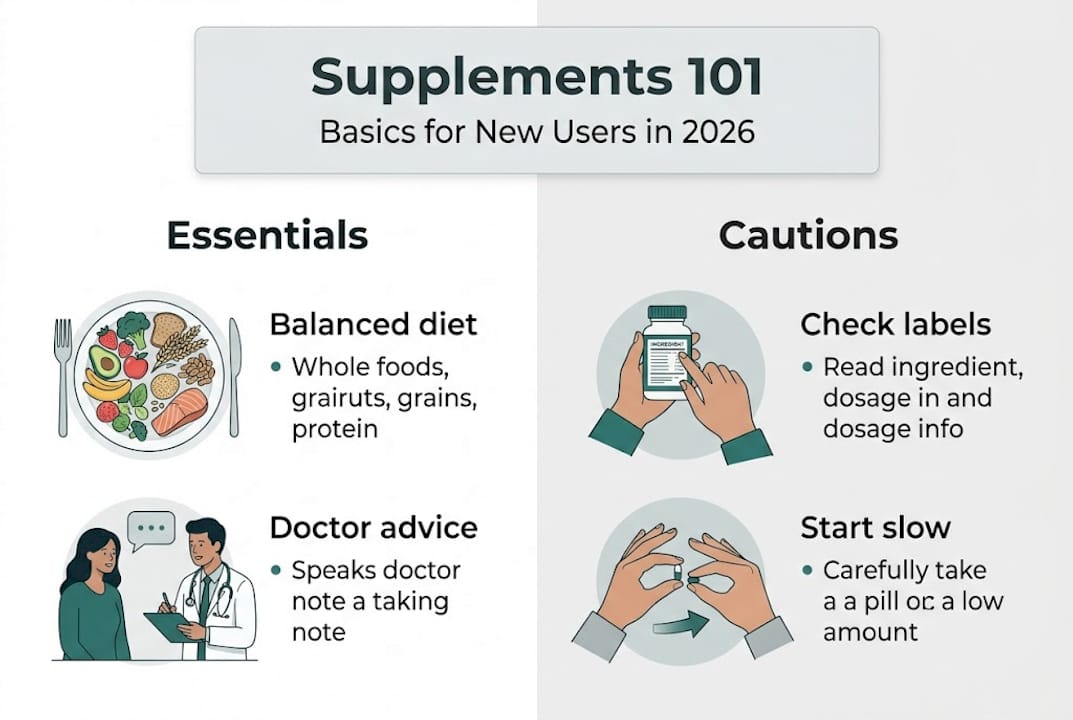
La sicurezza è una preoccupazione reale. Gli integratori non sono regolamentati allo stesso modo dei medicinali. I produttori non devono dimostrare che un prodotto sia efficace prima di venderlo. Possono interagire con i farmaci da prescrizione e causare danni, soprattutto a dosi elevate. Scegliere prodotti verificati USP e consultare un medico o un farmacista prima di iniziare è essenziale, soprattutto se si assumono farmaci o si ha una condizione di salute preesistente.
Ecco un confronto rapido tra integratori e alimenti integrali:
| Caratteristica | Alimenti integrali | Integratori |
|---|---|---|
| Varietà di nutrienti | Alta | Limitata alla formulazione |
| Biodisponibilità | Generalmente alto | Variabile |
| Composti aggiuntivi | Sì (fibre, fitonutrienti) | Raramente |
| Rischio di assunzione eccessiva | Basso | Moderato-alto |
| Controllo normativo | Si applicano standard alimentari | Meno rigoroso |
Punti chiave di sicurezza da tenere a mente prima di iniziare:
- Leggi attentamente l'etichetta, inclusa la dose e la lista degli ingredienti
- Verifica la certificazione di terze parti (USP, NSF o simili)
- Conserva correttamente per mantenere la potenza
- Non dare per scontato che naturale significhi sicuro
- Informa il tuo medico di tutto ciò che intendi assumere
“Gli integratori aiutano a colmare le lacune alimentari, ma non possono sostituire il valore nutrizionale ampio di una dieta equilibrata e varia.” Questa distinzione è molto importante, soprattutto per i principianti tentati di affidarsi a una pillola invece di migliorare prima le abitudini alimentari.
Integratori essenziali per principianti: cosa considerare
Comprendere i principali tipi di integratori e i loro usi è la base per fare scelte sicure ed efficaci da principianti.
Il punto di partenza più comune è un multivitaminico. Gli integratori multivitaminici e minerali sono ampiamente usati e possono aumentare l'apporto complessivo di nutrienti, ma le prove per la prevenzione di malattie croniche come malattie cardiache o cancro sono contrastanti e spesso insufficienti. Considera un multivitaminico come un'assicurazione di base, non una cura.

La vitamina D è un'altra opzione fondamentale. La carenza è estremamente comune, soprattutto nei climi settentrionali con scarsa esposizione solare. L'integrazione di vitamina D è raccomandata quando la carenza è confermata, e la dose giornaliera raccomandata standard è di 600-800 UI, con fino a 4000 UI considerate sicure per la maggior parte degli adulti.
La vitamina B12 è importante per gruppi specifici. La B12 per gli anziani e chi assume farmaci che riducono l'acidità è particolarmente rilevante perché l'assorbimento diminuisce naturalmente con l'età e alcuni farmaci bloccano l'assorbimento intestinale.
Ecco una tabella dati per riferimento rapido:
| Integratore | Beneficio principale | Chi potrebbe averne bisogno | Attenzione |
|---|---|---|---|
| Multivitaminico | Colma le lacune generali | La maggior parte degli adulti con dieta povera | Evitare mega-dosi |
| Vitamina D | Salute delle ossa, immunità | Chi ha esposizione solare limitata | Controllare prima i livelli nel sangue |
| Vitamina B12 | Funzione nervosa e dei globuli rossi | Anziani, vegani | Basso rischio ma testare prima |
| Calcio | Forza delle ossa | Donne oltre i 50 anni, basso consumo di latticini | L'eccesso può influire sul cuore |
| Ferro | Previene l'anemia | Donne che mestruano, individui carenti | Solo se carente |
Passi per iniziare la tua routine di integratori:
- Valuta onestamente la tua dieta attuale usando un diario alimentare o un’app
- Individua eventuali carenze costanti (es. basso consumo di latticini, nessuna esposizione al sole, dieta a base vegetale)
- Prenota un esame del sangue con il tuo medico per confermare una reale carenza prima di acquistare
- Ricerca i vantaggi comprovati di qualsiasi integratore tu stia considerando
- Inizia con un integratore alla volta per poter monitorare chiaramente gli effetti
- Consulta le indicazioni su integratori per un invecchiamento sano per allineare le scelte ai tuoi obiettivi a lungo termine
Consiglio professionale: Non iniziare mai più integratori contemporaneamente. Se si verifica una reazione, non potrai identificare quale prodotto l’ha causata. Uno alla volta è sempre il metodo più sicuro.
Come scegliere e usare gli integratori in modo efficace
Una volta identificati gli integratori da considerare, il passo successivo è assicurarti di selezionare prodotti di qualità e usarli saggiamente.
Scegliere il prodotto giusto implica più che prendere l’opzione più economica sullo scaffale. Segui questi passaggi:
- Conferma il tuo bisogno tramite valutazione della dieta o esame del sangue prima di acquistare
- Ricerca il nutriente specifico: capisci quale forma è più biodisponibile (es. il glicinato di magnesio si assorbe meglio dell’ossido di magnesio)
- Cerca sigilli di test da terzi come USP o NSF International
- Controlla l’etichetta per riempitivi, allergeni o additivi non necessari
- Consulta un operatore sanitario, soprattutto se assumi farmaci prescritti, poiché le interazioni tra integratori e farmaci sono ben documentate e possono essere gravi
- Inizia con la dose efficace più bassa e monitora la tua risposta per quattro-otto settimane
- Consulta i passi per la sicurezza degli integratori per creare una lista di controllo prima di impegnarti con un nuovo prodotto
Leggere correttamente l’etichetta di un integratore richiede pratica. Cerca prima la dimensione della porzione, poiché molti prodotti indicano i nutrienti per due o tre capsule, non per una. La colonna “% Valore Giornaliero” ti dice quanto della quantità raccomandata fornisce ogni porzione. Valori superiori al 100% non sono automaticamente migliori e possono portare a un’assunzione problematica.
Consiglio professionale: Cerca il nome del prodotto insieme alle parole “testato da terzi” o “verificato USP” prima di acquistare. Questo controllo rapido può evitarti di sprecare soldi su un prodotto inefficace o non sicuro.
Cosa evitare:
- Prodotti che promettono risultati drammatici o rapidi
- Miscele proprietarie che nascondono le quantità degli ingredienti individuali
- Integratori con più del 100% del valore giornaliero per vitamine liposolubili (A, D, E, K)
- Qualsiasi prodotto venduto principalmente tramite testimonianze senza ricerche pubblicate
- Superare la dose giornaliera raccomandata senza supervisione medica diretta
Errori comuni e come evitarli
Anche i principianti ben intenzionati possono incorrere in insidie; ecco gli errori classici e come evitarli.
L’errore più frequente è assumere troppo. Di più non significa meglio con gli integratori. Il ferro assunto in eccesso è un chiaro esempio: è essenziale per le donne mestruate carenti, ma il ferro in eccesso si accumula negli organi e causa gravi danni. La stessa logica vale per le vitamine liposolubili e lo zinco.
Combinare più prodotti senza guida è un’altra trappola comune. Molti principianti acquistano tre o quattro integratori contemporaneamente dopo aver letto separatamente dei loro benefici, senza rendersi conto che le dosi combinate possono superare i limiti di sicurezza. La vitamina A da un multivitaminico più un olio di fegato di merluzzo separato più un alimento fortificato può rapidamente portarti in territorio tossico.
Cadere nelle mode è diffuso nel mondo degli integratori. Produttori e influencer sui social media promuovono composti come NMN o resveratrolo come rivoluzioni per la longevità. Organizzazioni affermate, tra cui NIH, Harvard e Mayo Clinic, sottolineano costantemente i fondamenti alimentari rispetto agli integratori a uso ampio non provati. La scienza per molti composti di tendenza negli esseri umani rimane limitata.
Ignorare i risultati dei test porta a spese inutili e potenziali danni. Assumere vitamina D quando i tuoi livelli sono già adeguati non offre benefici e può contribuire alla tossicità nel tempo. Puoi trovare una panoramica più ampia di integratori supportati da evidenze per l’invecchiamento per distinguere le opzioni ben studiate dal rumore del marketing.
“Il fatto che un integratore sia ampiamente venduto non indica che sia stato dimostrato sicuro o efficace per la tua situazione specifica. Prendi sempre decisioni basate su prove testate e indicazioni professionali.”
Regole semplici per un uso più sicuro degli integratori:
- Fai i test prima di integrare; non indovinare
- Scegli un prodotto alla volta e valuta dopo quattro-otto settimane
- Non superare mai il livello massimo tollerabile indicato dagli enti regolatori
- Comunica ogni integratore che assumi al tuo medico o farmacista
- Rivaluta ogni sei mesi per verificare se hai ancora bisogno di ogni integratore
Cosa manca nella maggior parte dei consigli per principianti sugli integratori
La maggior parte delle guide per principianti dedica molto tempo a elencare quali integratori assumere, ma raramente sottolinea la verità più importante: gli integratori funzionano meglio come supporto mirato, non come base. I veri fattori di vitalità e invecchiamento sano sono un sonno costante, attività fisica regolare, una dieta ricca di nutrienti e la gestione dello stress. Dare priorità a dieta ed esercizio fisico rispetto agli integratori per la salute a lungo termine è la posizione sostenuta costantemente da Harvard, Mayo Clinic e NIH.
Quando queste basi sono solide, un integratore ben scelto che affronta una carenza confermata può davvero aggiungere valore. Senza queste basi, nessuna quantità di capsule farà una differenza significativa. Ti incoraggiamo anche a esaminare con occhio critico i prodotti nutrizionali supportati da evidenze: chiedi cosa mostrano realmente le evidenze, non cosa afferma il marketing. Un integratore che non fa nulla non è innocuo; è denaro speso per un falso senso di sicurezza.
Prossimi passi per il tuo percorso con gli integratori
Con queste migliori pratiche, puoi procedere con fiducia e continuare a costruire la tua conoscenza mentre il tuo percorso di salute si sviluppa.

Da Vivetus offriamo una gamma selezionata di integratori supportati scientificamente, mirati a un invecchiamento sano e a una vitalità duratura. Ogni prodotto del nostro catalogo è scelto con evidenze alla base, offrendoti un punto di partenza affidabile invece di una lista travolgente di opzioni non verificate. Che tu stia cercando nutrienti fondamentali o un supporto più mirato, puoi esplorare altre risorse sugli integratori sulla nostra piattaforma e trovare prodotti adatti alle tue esigenze specifiche. La spedizione gratuita è disponibile per ordini superiori a 50 €, rendendo semplice iniziare senza costi inutili.
Domande frequenti
Gli integratori alimentari sono necessari per tutti?
No, la maggior parte delle persone può soddisfare i propri bisogni nutrizionali con una dieta equilibrata. Gli integratori colmano lacune che il solo cibo non può garantire per alcune persone, ma non sono necessari per tutti.
Con quali integratori dovrei iniziare come principiante?
Inizia con un multivitaminico di base se la tua dieta è irregolare, e considera vitamina D o B12 solo quando una carenza è confermata. I multivitaminici per anziani hanno mostrato benefici cognitivi nei trial, rendendoli un’opzione ragionevole per iniziare.
Gli integratori sono regolamentati per sicurezza e qualità?
Gli integratori alimentari non sono regolamentati come i farmaci, quindi i produttori non devono dimostrare l’efficacia prima della vendita. Scegli sempre prodotti verificati USP e consulta il tuo medico prima di iniziare.
Prendere troppi integratori può essere dannoso?
Sì. Un eccesso di assunzione di ferro, per esempio, può danneggiare gli organi, e molte vitamine liposolubili si accumulano a livelli tossici. Non superare mai la dose raccomandata senza consiglio professionale.
Come faccio a sapere se ho bisogno di un integratore?
Inizia esaminando la tua dieta per individuare carenze costanti, poi chiedi al tuo medico un esame del sangue. Gli integratori colmano le lacune in modo più efficace quando una carenza specifica è stata confermata e non solo ipotizzata.