

Flusso di lavoro per un invecchiamento sano: la tua guida completa per il 2026
In sintesi:
- Un processo di invecchiamento sano combina nutrizione, esercizio fisico e gestione dell'energia per supportare vitalità e indipendenza. Abitudini costanti come un adeguato apporto proteico, attività fisica regolare e una gestione pratica dell'energia migliorano significativamente i risultati di salute a lungo termine. La personalizzazione basata sui livelli di vitalità e la guida professionale continua aumentano l'efficacia di questa routine.
Un processo di invecchiamento sano è una routine strutturata e basata su evidenze che combina nutrizione, esercizio fisico e gestione dell'energia per sostenere vitalità, forza e indipendenza nella vita avanzata. Il termine standard usato in ambito clinico è “pianificazione assistenziale age-friendly”, ma il quadro pratico descritto qui si applica ugualmente agli adulti che gestiscono la propria salute a casa. Il 57% degli anziani mantiene alti livelli di vitalità, confermando che il declino non è inevitabile. Il modello delle 4M, che copre Cosa Conta, Farmaci, Funzioni Mentali e Mobilità, sostiene gli approcci clinici più efficaci a questo tipo di pianificazione. Costruire la propria versione di questo processo inizia comprendendo le abitudini più importanti.
Quali abitudini essenziali e obiettivi nutrizionali supportano un processo di invecchiamento sano?
La nutrizione è la base di qualsiasi piano di benessere per l'invecchiamento. Senza un adeguato apporto proteico, la massa muscolare diminuisce più rapidamente, l'energia cala e il recupero dalle malattie rallenta. L'assunzione di proteine per gli adulti di età pari o superiore a 60 anni è raccomandata tra 1,0 e 1,3 grammi per chilogrammo di peso corporeo al giorno. Per gli adulti tra i 40 e i 59 anni, l'obiettivo è da 1,0 a 1,2 grammi per chilogrammo. Una persona che pesa 68 chilogrammi ha quindi bisogno di circa 68–88 grammi di proteine al giorno.
Buone fonti di proteine da includere regolarmente sono:
- Uova, yogurt greco e formaggio fresco per un'assunzione quotidiana facile
- Pesce grasso come salmone o sgombro, che forniscono anche acidi grassi omega-3
- Legumi, inclusi lenticchie e ceci, che fungono anche da fonti di fibre
- Pollame magro e latticini a basso contenuto di grassi per varietà durante la settimana
Le fibre sono altrettanto imprescindibili. L’apporto raccomandato è di 25–29 grammi di fibre al giorno, ma l’adulto medio ne consuma solo 16 grammi. Un apporto più elevato di fibre è associato a una riduzione del 15–30% del rischio di mortalità da malattie principali. Questo divario tra apporto raccomandato e reale è uno dei rischi più correggibili nella nutrizione adulta.
Una dieta in stile mediterraneo soddisfa naturalmente sia gli obiettivi proteici che quelli di fibre. Si basa su verdure, cereali integrali, legumi, pesce e olio d'oliva, con un consumo limitato di cibi processati. L’idratazione supporta questo schema: gli adulti oltre i 60 anni spesso hanno un senso della sete ridotto, rendendo l’assunzione deliberata di acqua un’abitudine quotidiana piuttosto che una reazione. Sonno e gestione dello stress completano il quadro. Un sonno scarso aumenta il cortisolo, accelera la degradazione muscolare e compromette la funzione cognitiva. Puntare a 7–9 ore di sonno di qualità per notte è una strategia di salute per gli anziani con conseguenze fisiche dirette.
Consiglio pratico: Prepara un tracker settimanale delle proteine usando un semplice foglio di calcolo o un quaderno. Registrare i pasti di tre giorni è solitamente sufficiente per identificare dove l'apporto è insufficiente, senza dover tenere un diario alimentare permanente.
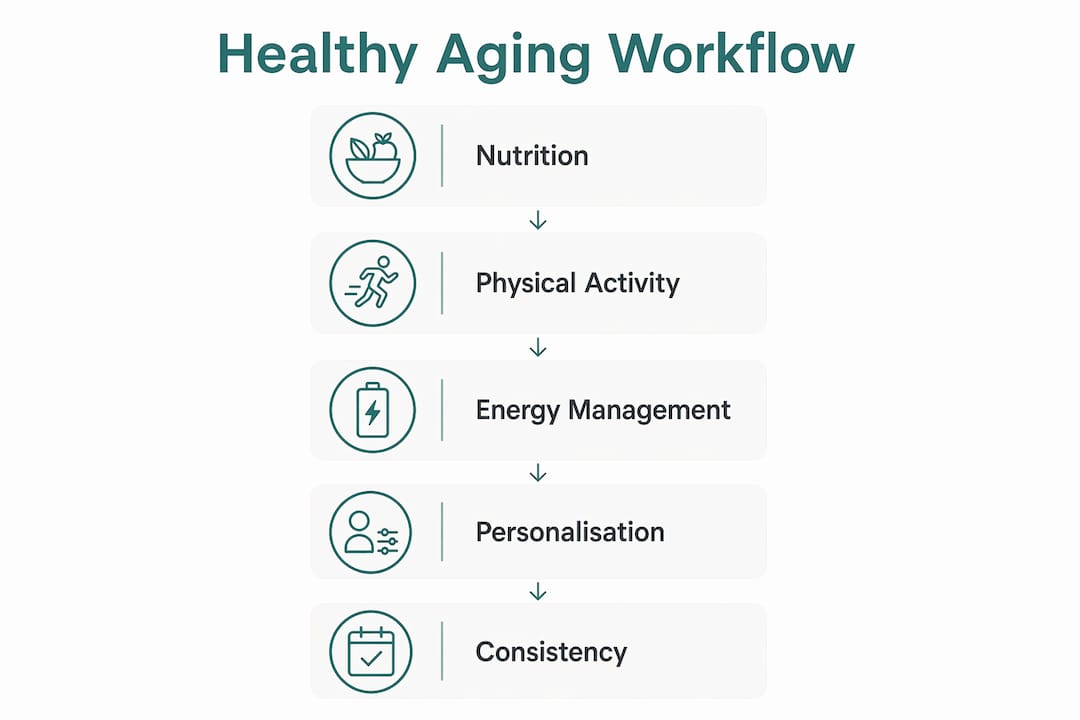
Come strutturare un'attività fisica efficace all'interno di un percorso di invecchiamento sano?
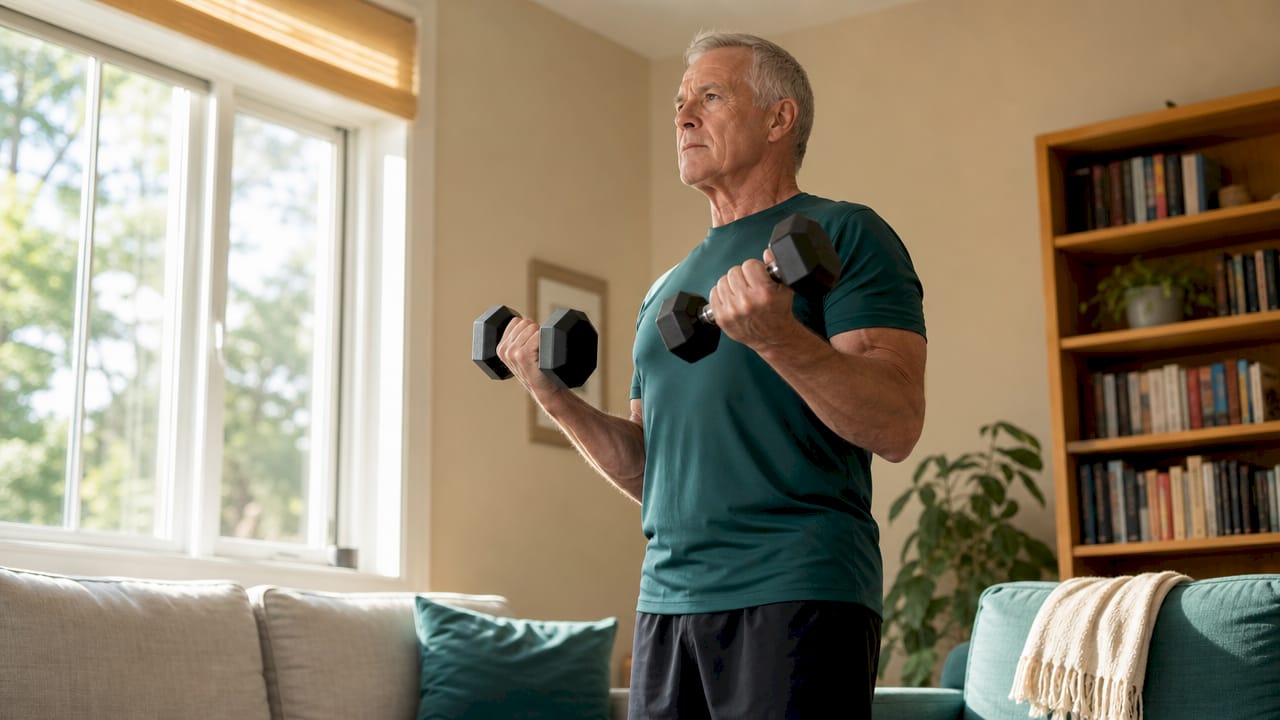
L'attività fisica è il secondo pilastro per mantenere la vitalità, e le prove dei suoi benefici sono inequivocabili. La raccomandazione standard per l'esercizio aerobico è di 150–300 minuti di attività a intensità moderata a settimana, più attività di rafforzamento muscolare due volte a settimana. I benefici sostanziali di solito si notano dopo circa sei mesi. Questo arco temporale è importante perché molti adulti abbandonano le nuove routine nelle prime settimane, prima che si verifichino cambiamenti misurabili.
Una struttura settimanale pratica per adulti oltre i 50 anni è la seguente:
- Lunedì e giovedì: 30 minuti di camminata veloce o ciclismo a un ritmo che permetta di conversare ma con un leggero sforzo.
- Martedì e venerdì: Allenamento di resistenza usando il peso corporeo, bande elastiche o pesi leggeri. Concentrarsi su squat, remate da seduti e varianti di piegamenti.
- Mercoledì: Una sessione di 20 minuti di yoga o tai chi per migliorare equilibrio e flessibilità.
- Sabato: Una camminata più lunga e a bassa intensità di 45–60 minuti, idealmente all'aperto per il beneficio aggiuntivo dell'esposizione alla luce del giorno.
- Domenica: Riposo o stretching leggero.
La sarcopenia, la perdita di massa muscolare legata all'età, inizia già intorno ai 35 anni e accelera dopo i 60. L'allenamento di resistenza due volte a settimana è la principale soluzione naturale per rallentare questo processo. Esercizi di equilibrio come stare in piedi su una gamba sola e camminare tallone-punta riducono il rischio di cadute, una delle minacce più significative all'indipendenza nella terza età.
Gli errori più comuni sono l'inattività e il sovraccarico. L'inattività permette al tono muscolare e alla forma cardiovascolare di diminuire più rapidamente del necessario. Il sovraccarico, soprattutto quando si riprende l'esercizio dopo una pausa, porta a infortuni e fa retrocedere la routine di settimane. La progressione deve essere graduale: aggiungi cinque minuti o una serie in più a settimana invece di raddoppiare l'intensità in una sola sessione.
Consiglio pratico: Se salti una sessione programmata, sostituiscila con una camminata di 10 minuti anziché saltarla completamente. Mantenere l'abitudine al movimento, anche a bassa intensità, preserva il modello comportamentale che rende possibile la costanza.
Come gestire l'energia quotidiana usando la strategia delle Quattro P e un ritmo personalizzato?
La gestione dell'energia è la parte di un percorso di invecchiamento sano che la maggior parte delle guide trascura. La strategia delle Quattro P, sviluppata nell'ambito della terapia occupazionale e ora ampiamente utilizzata nella pianificazione dell'invecchiamento sano, fornisce un quadro pratico per gestire l'energia fisica e mentale durante la giornata.
I quattro componenti sono:
- Pianificazione: Programma i compiti impegnativi durante la tua finestra di energia massima, tipicamente a metà mattina per la maggior parte degli adulti. Evita di concentrare più attività ad alto sforzo in un unico blocco.
- Ritmo: Suddividi i compiti in segmenti con brevi pause di riposo tra di essi. Un'attività di 20 minuti seguita da un riposo seduto di 5 minuti previene l'affaticamento cumulativo che porta al burnout.
- Posizionamento: Organizza il tuo ambiente per ridurre lo sforzo inutile. Tenere gli oggetti usati frequentemente all'altezza della vita, ad esempio, riduce il costo fisico delle attività quotidiane.
- Prioritizzazione: Identifica quali compiti richiedono davvero la tua energia e quali possono essere semplificati, delegati o eliminati. Non ogni attività in una lista di cose da fare merita lo stesso impegno.
I giorni di bassa energia sono inevitabili e dovrebbero essere pianificati anziché considerati fallimenti. In questi giorni, pasti proteici a lunga conservazione e opzioni di movimento a bassa intensità come stretching da seduti o una breve passeggiata sostituiscono la routine standard. L'obiettivo è la continuità, non la performance.
Affrettarsi in un giorno di alta energia per compensare uno di bassa energia è il modo più comune in cui gli adulti compromettono le proprie routine. Il ritmo non è una concessione alla stanchezza. È il meccanismo che mantiene il flusso di lavoro attivo settimana dopo settimana.
Sovraccaricare un singolo giorno perché l’energia sembra alta è altrettanto controproducente. L’approccio delle Quattro P considera l’energia come un budget giornaliero finito. Spendere saggiamente questa energia durante la settimana produce risultati migliori a lungo termine rispetto a spenderla tutta in una volta.
Quali passi puoi compiere per personalizzare e mantenere nel tempo il tuo flusso di lavoro per un invecchiamento sano?
Un piano di benessere per l’invecchiamento funziona solo se corrisponde al tuo attuale livello di vitalità. L’autovalutazione per identificare la tua base di vitalità è il punto di partenza per personalizzare l’intensità. Valutare te stesso su energia, forza, qualità del sonno e umore durante una settimana tipica offre un quadro pratico di dove sei, non di dove pensi di dover essere.
La tabella sottostante illustra come adattare il flusso di lavoro nelle diverse fasi di vitalità:
| Fase di vitalità | Focus sulla nutrizione | Focus sull’esercizio | Strategia energetica |
|---|---|---|---|
| Fondamentale (bassa vitalità) | Raggiungimento quotidiano degli obiettivi di proteine e fibre | Camminata leggera e esercizi di resistenza da seduti | Applicazione rigorosa delle Quattro P; priorità ai giorni di riposo |
| Costruzione (vitalità moderata) | Aggiunta dei principi della dieta mediterranea | Aggiunta di allenamento di resistenza due volte a settimana | Ritmo con riposo programmato; piano di riserva per i giorni a bassa energia attivo |
| Ottimizzazione (alta vitalità) | Regolazione fine dell’assunzione di micronutrienti | Progresso a 150–300 minuti di attività aerobica più forza | Bilancio energetico mantenuto; intensità aumentata gradualmente |
Il principio più importante in tutte e tre le fasi è la coerenza rispetto all’ottimizzazione. Una routine di base seguita con costanza per sei mesi produce risultati migliori di un protocollo avanzato seguito per tre settimane. La motivazione fluttua. Il flusso di lavoro dovrebbe essere progettato per funzionare anche nei giorni di bassa motivazione, non solo in quelli buoni.
Rivolgersi a un professionista è appropriato quando i punteggi di vitalità diminuiscono nonostante uno sforzo costante, quando compaiono nuovi sintomi o quando i cambiamenti nella terapia influenzano energia o appetito. Un medico di base, un dietista o un fisioterapista possono adattare il flusso di lavoro in base alla valutazione clinica. Il flusso di lavoro della dieta anti-invecchiamento e le linee guida per una dieta equilibrata per anziani di Vivetus offrono punti di partenza strutturati per la componente nutrizionale di questo processo di personalizzazione.
Punti chiave
Un flusso di lavoro per un invecchiamento sano basato su nutrizione costante, movimento strutturato e gestione consapevole dell’energia produce risultati di vitalità misurabilmente migliori di qualsiasi singolo intervento da solo.
| Punto | Dettagli |
|---|---|
| Gli obiettivi proteici sono imprescindibili | Gli adulti sopra i 60 anni necessitano di 1,0–1,3 grammi di proteine per chilogrammo di peso corporeo al giorno per preservare la massa muscolare. |
| L’esercizio richiede due componenti | Combina 150–300 minuti di attività aerobica a settimana con allenamenti di resistenza due volte a settimana per un beneficio completo. |
| Le Quattro P gestiscono l’energia | Pianificare, dosare, posizionare e dare priorità prevengono l’affaticamento e mantengono sostenibile il flusso di lavoro nei giorni difficili. |
| La costanza batte l’intensità | Una routine moderata seguita con costanza per sei mesi supera una intensiva abbandonata dopo poche settimane. |
| Personalizza in base alla fase di vitalità | Valuta il tuo punto di partenza e adatta nutrizione e intensità dell’esercizio alla tua capacità attuale, non a quella ideale. |
Ciò che ho imparato applicando questo flusso di lavoro nella pratica
L’errore più grande che vedo è che gli adulti trattano un flusso di lavoro per un invecchiamento sano come qualcosa da perfezionare anziché da mantenere. Ricercano l’assunzione ideale di proteine, la divisione ottimale dell’esercizio e il miglior protocollo di sonno, poi si sentono sconfitti quando non riescono a eseguire tutto contemporaneamente. La ricerca è chiara: piccole modifiche quotidiane e costanti superano sempre gli sforzi intensi insostenibili.
Ciò che funziona davvero è più semplice di quanto la maggior parte delle persone si aspetti. Assumere proteine a ogni pasto, camminare la maggior parte dei giorni e dormire con regolarità sono le tre abitudini che hanno il peso maggiore. Tutto il resto, gli integratori, il programma strutturato di resistenza, la pratica di mindfulness, si basa su queste tre. Costruisci prima la base.
Il cambiamento di mentalità più importante è passare da “gestire il declino” a “mantenere la capacità”. Invecchiare non significa che rallentare sia inevitabile. Significa che la manutenzione intenzionale diventa imprescindibile. Gli adulti che invecchiano bene non sono quelli che hanno trovato il protocollo perfetto. Sono quelli che si sono presentati con costanza, si sono adattati quando necessario e non hanno permesso che una settimana negativa diventasse un mese negativo.
Se sei un caregiver che supporta un adulto anziano, vale lo stesso principio. Concentrati su ciò che è sostenibile per loro, non su ciò che è teoricamente ottimale. Una routine che seguiranno davvero vale dieci volte di più di una che abbandonano dopo due settimane.
— Jord
Vivetus e i tuoi obiettivi per un invecchiamento sano
Nutrizione ed esercizio costituiscono il nucleo di ogni piano efficace per l’invecchiamento, ma un supporto nutrizionale mirato può colmare le lacune che la dieta da sola non sempre copre.
Vivetus offre il pacchetto Energia & Vitalità, una gamma di prodotti progettata per integrare i principi nutrizionali e di gestione dell’energia trattati in questa guida. Il pacchetto risponde alle esigenze specifiche degli adulti che vogliono mantenere forza, resistenza e funzionalità quotidiana. È allineato direttamente con gli obiettivi di proteine, micronutrienti ed energia che supportano un piano strutturato di benessere nell’invecchiamento. La spedizione gratuita è valida per ordini superiori a 50 €, rendendo semplice mantenere una routine costante di integratori senza costi aggiuntivi.
Domande frequenti
Cos’è un flusso di lavoro per un invecchiamento sano?
Un flusso di lavoro per un invecchiamento sano è una routine strutturata e ripetibile che combina nutrizione, attività fisica e gestione dell’energia per mantenere vitalità e indipendenza con l’età. Si basa su obiettivi basati su evidenze piuttosto che su consigli generici di stile di vita.
Quante proteine servono quotidianamente agli adulti oltre i 60 anni?
Gli adulti oltre i 60 anni necessitano di 1,0-1,3 grammi di proteine per chilogrammo di peso corporeo al giorno. Una persona che pesa 68 chilogrammi necessita di circa 68–88 grammi al giorno.
Quanto tempo ci vuole per vedere i risultati di una routine di esercizio?
I benefici sostanziali di un programma costante di allenamento aerobico e di forza diventano generalmente evidenti dopo circa sei mesi. Miglioramenti a breve termine dell’umore e dell’energia spesso si manifestano nelle prime settimane.
Quali sono le Quattro P nella gestione dell’energia per gli anziani?
Le Quattro P sono Pianificazione, Ritmo, Posizionamento e Prioritizzazione. Insieme formano un quadro pratico per gestire l’energia quotidiana e prevenire la stanchezza che interrompe le routine costanti di invecchiamento sano.
Quando dovresti chiedere un parere professionale per il tuo piano di benessere nell’invecchiamento?
Rivolgiti a un professionista quando i punteggi di vitalità diminuiscono nonostante gli sforzi costanti, quando compaiono nuovi sintomi fisici o quando cambiamenti nei farmaci influenzano la tua energia o appetito. Un medico di base o un dietista possono adattare il tuo piano in base alla valutazione clinica.
Consigliato
- Come invecchiare in salute: la tua guida pratica per il 2026 – Vivetus®
- Elenco di abitudini per un invecchiamento sano: guida 2026 per anziani – Vivetus®
- Consigli di stile di vita per un invecchiamento sano: la tua guida 2026 – Vivetus®
- Flusso di lavoro per una dieta anti-invecchiamento: la tua guida passo dopo passo – Vivetus®