

Healthy lifestyle checklist for elders: 2026 guide
TL;DR:
- A healthy lifestyle checklist for elders emphasizes regular health screenings, nutritious eating, and sustained physical and mental activity.
- Incorporating daily habits like social engagement and environment modifications supports independence and overall well-being in older age.
A healthy lifestyle checklist for elders is a concise set of daily practices covering physical health, nutrition, mental well-being, and social engagement to support independence and quality of life in later years. Healthy ageing, the recognised term used by the World Health Organisation, describes the process of developing and maintaining the functional ability that enables well-being in older age. This guide brings together evidence-backed habits drawn from recent research, including Austrian preventive health standards and the 2025 Austrian Health Report, to give elders and their families a practical, realistic framework. Following these practices consistently supports longevity, confidence, and independence.
1. What health screenings are essential for elders?
Preventive screenings are the foundation of any senior wellness guide. They catch risk factors early, before symptoms appear, and give doctors the information needed to offer personalised lifestyle advice.
Austrian residents aged 18 and over are entitled to a free annual health check-up covering blood pressure, BMI, blood analysis, and urine analysis. That means cost is not a barrier to knowing your baseline health numbers. The primary goal of these check-ups is risk assessment and lifestyle counselling, not simply diagnosing disease. That distinction matters because it shifts the focus from reactive treatment to proactive management.
Despite this free access, fewer than 55% of Austrians participated in standard screenings such as blood tests or mammography within the last 24 months. Low uptake means many preventable conditions go undetected until they become serious.
Beyond the annual check-up, elders should also schedule:
- Hearing tests. Untreated hearing loss is linked to cognitive decline and increased dementia risk. Testing annually allows for early intervention.
- Vision checks. Declining eyesight raises fall risk and reduces quality of life.
- Dental assessments. Poor oral health affects nutrition and general well-being.
- Blood glucose and cholesterol monitoring. Both are key cardiovascular risk markers.
Pro Tip: Book your annual check-up at the same time each year, for example in your birth month, so it becomes a fixed habit rather than something easy to postpone.
2. How can elders maintain balanced nutrition?
Nutrition needs change significantly with age. Appetite often decreases, taste and smell become less sharp, and digestion slows. These changes mean that eating less does not automatically mean eating poorly, but they do require deliberate attention to food quality.
Protein, fibre, calcium, vitamin D, and adequate hydration are the nutrients most commonly under-consumed by older adults. Protein preserves muscle mass, which declines naturally after 60. Fibre supports digestive health and blood sugar regulation. Calcium and vitamin D protect bone density.
Research shows that meal plans reflecting elders’ preferences directly reduce appetite loss caused by changes in taste, smell, and vision. Personalised menus are not a luxury. They are a practical tool for maintaining adequate intake. The eating environment also plays a measurable role. Accessible fruit bowls, pleasant table settings, and reduced clutter around mealtimes all improve how much and how well elders eat.
Practical nutrition habits for daily life:
- Eat three balanced meals at consistent times to support appetite regulation.
- Include a source of protein at every meal: eggs, fish, legumes, or dairy.
- Keep a water bottle visible and within reach to encourage regular hydration.
- Choose fibre-rich foods such as oats, vegetables, and wholegrain bread.
- Use smaller plates if portion sizes feel overwhelming.
- Involve elders in choosing and preparing meals where possible.
Pro Tip: Place a bowl of fruit at counter height in the kitchen. Small physical barriers, such as having to open a cupboard, reduce how often elders reach for nutritious snacks. Removing that barrier improves intake without requiring any willpower.
For a deeper look at food choices tailored to older adults, the balanced diet for elderly guide from Vivetus covers practical meal planning in detail.
3. What exercise routines work best for older adults?
Physical activity is the single most effective non-medical intervention for healthy ageing. It reduces cardiovascular risk, preserves muscle mass, improves balance, and supports mental health.
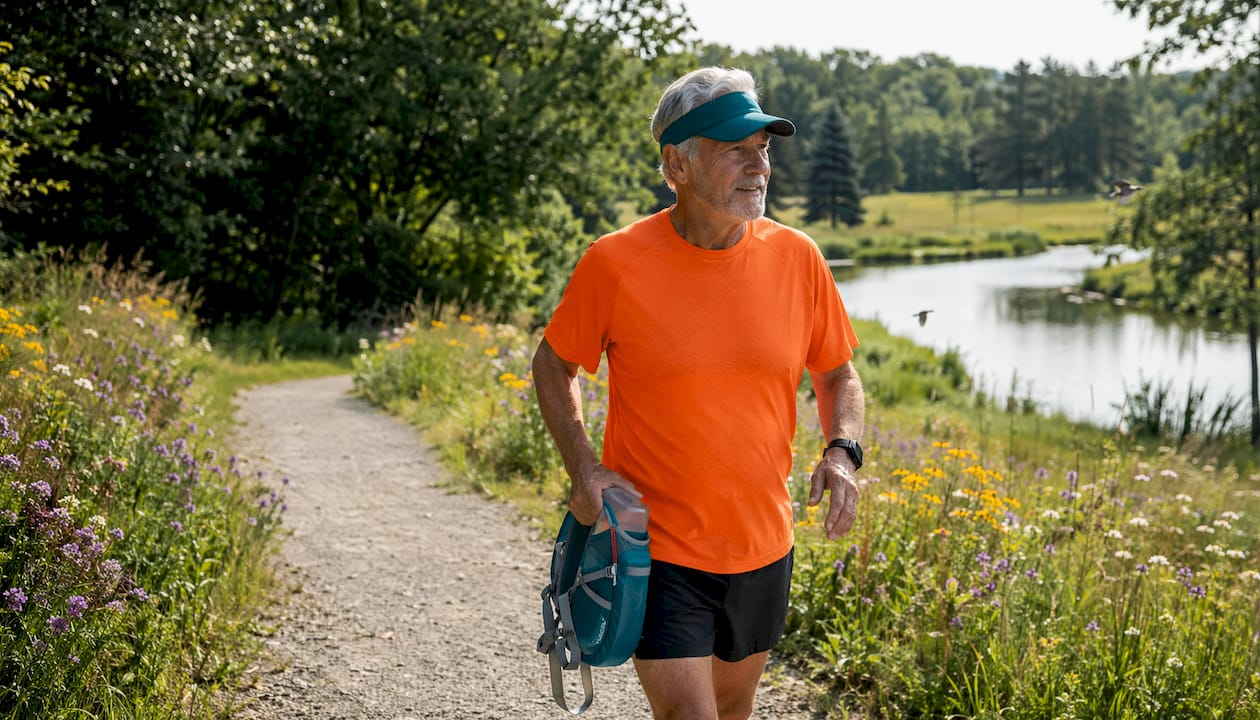
Experts recommend 150 minutes of moderate aerobic activity per week, combined with strength and balance training. That works out to roughly 30 minutes on five days. The key word is “moderate.” Elders should be able to hold a conversation during exercise without gasping.
Exercise protocols for elders must be individually adapted to avoid overexertion while still building cardiovascular, muscular, and balance function. A blanket programme does not suit everyone. Age, existing conditions, and mobility all shape what is appropriate.
| Activity type | Key benefit | Ease of access |
|---|---|---|
| Walking | Cardiovascular health, mood | Very high |
| Swimming | Low impact, full body | Moderate |
| Yoga | Flexibility, balance, stress reduction | Moderate |
| Tai chi | Balance, fall prevention, coordination | Moderate |
| Resistance training | Muscle mass, bone density | Moderate to high |
Multi-modal exercise, combining endurance, strength, balance, and coordination work, produces the greatest reduction in fall risk. Falls are the leading cause of injury-related hospitalisation in older adults, making balance training non-negotiable.
For a structured plan, the Vivetus guide on staying active with age provides a practical 2026 framework for building sustainable exercise habits.
4. How do mental wellness and social engagement support healthy ageing?
Mental well-being for seniors is not a secondary concern. The 2025 Austrian Health Report confirms that successful ageing involves social participation and positive self-perception, not just the absence of physical disease. That finding reframes what a wellness guide for seniors must include.
Social isolation increases the risk of depression, cognitive decline, and premature mortality. Untreated hearing loss compounds this risk by making conversation difficult and reducing the motivation to socialise. Addressing hearing loss is therefore both a physical and a mental health priority.
Cognitive stimulation matters as much as physical exercise. Activities that challenge the brain, such as reading, learning a new skill, playing chess, or completing puzzles, help maintain mental sharpness. Mindfulness practices, including breathing exercises and gentle meditation, reduce anxiety and improve sleep quality.
Ways families can support mental wellness in elders:
- Schedule regular visits or video calls to maintain consistent social contact.
- Encourage participation in community groups, clubs, or faith organisations.
- Introduce simple digital tools such as tablets or smartphones to maintain connection.
- Suggest brain-stimulating activities that match the elder’s interests and abilities.
- Watch for signs of withdrawal, low mood, or reduced appetite, which may signal depression.
Digital aids such as medication reminders and activity trackers help elders manage their health independently. These tools reduce reliance on others for routine tasks and reinforce a sense of control, which directly supports positive mental health.
5. Daily habits that make the checklist work
A checklist only delivers results when its items become daily habits rather than occasional intentions. The practical challenge is building routines that feel manageable, not burdensome.
Start with the simplest changes. A morning walk, a glass of water before breakfast, and five minutes of gentle stretching cost nothing and require no equipment. These small actions build momentum and make larger changes easier to sustain.
Pro Tip: Use a free smartphone app or a simple paper calendar to tick off daily checklist items. Visible progress, even for small habits, reinforces the behaviour and makes it easier to maintain over weeks and months.
Daily checklist items for elders:
- Drink at least six to eight glasses of water throughout the day.
- Complete at least 30 minutes of physical activity, even if split into shorter sessions.
- Eat a protein-rich meal at least once.
- Take any prescribed medications at the set time.
- Spend time in social contact, whether in person, by phone, or online.
- Do one activity that stimulates the mind.
- Check in with how you feel physically and emotionally.
Modifying the home environment also reduces barriers. Good lighting prevents falls. Non-slip mats in bathrooms reduce accident risk. Keeping healthy food visible and accessible removes friction from good nutritional choices. Telemedicine appointments remove the need to travel for routine consultations, making preventive care easier to maintain.
Key takeaways
A healthy lifestyle checklist for elders works best when it combines regular screenings, personalised nutrition, adapted exercise, mental stimulation, and consistent social engagement into daily habits.
| Point | Details |
|---|---|
| Annual screenings are free and underused | Fewer than 55% of Austrians use available check-ups; booking annually closes that gap. |
| Eating environment shapes nutrition | Accessible food and pleasant mealtimes improve intake more reliably than dietary knowledge alone. |
| 150 minutes of weekly exercise is the target | Combining aerobic, strength, and balance work reduces falls and supports cardiovascular health. |
| Social participation is a health measure | The 2025 Austrian Health Report links social engagement directly to positive ageing outcomes. |
| Digital tools support independence | Medication reminders and activity trackers help elders manage daily health without constant assistance. |
Why the checklist matters more than any single habit
I have spent years looking at how elders and their families approach health management, and the pattern is consistent. People focus on one area, usually diet or exercise, and neglect the rest. The result is partial progress at best.
What I have observed is that the checklist approach works precisely because it treats ageing as a system. Nutrition supports exercise. Exercise supports sleep. Sleep supports mental health. Mental health supports social engagement. Social engagement supports motivation to maintain nutrition. Each element reinforces the others, and neglecting one weakens the whole.
The families who see the best outcomes are not the ones who push elders hardest. They are the ones who make healthy habits easy and enjoyable. A fruit bowl on the counter. A regular walking companion. A weekly phone call at the same time. These are not grand gestures. They are the architecture of a sustainable routine.
The checklist also gives elders a sense of agency. Ageing can feel like a process of losing control. A clear, achievable daily list restores that sense of ownership. That psychological shift is, in my view, as valuable as any individual health intervention.
— Jord
Vivetus and elder health: resources worth knowing
Elders and their families who want to go further than a general checklist will find that targeted nutritional support plays a meaningful role in healthy ageing.
Vivetus specialises in scientifically backed dietary supplements and nutritional products designed to support healthy ageing and overall vitality. Whether the focus is bone health, cognitive function, or energy levels, the Vivetus range is built around the specific needs of older adults. Free shipping on orders over €50 makes it straightforward to maintain a regular supplement routine. For a full overview of what is available, visit the Vivetus health range and browse products tailored to active ageing.
FAQ
What does a healthy lifestyle checklist for elders include?
A healthy lifestyle checklist for elders covers regular health screenings, balanced nutrition, at least 150 minutes of weekly exercise, mental stimulation, and consistent social engagement. These five areas collectively support physical health, independence, and quality of life in older age.
How often should elders have a health check-up?
Elders should attend a comprehensive health check-up at least once a year. Austrian residents have access to a free annual check-up covering blood pressure, BMI, and blood and urine analysis, making annual attendance both practical and cost-free.
What type of exercise is safest for older adults?
Walking, swimming, yoga, and tai chi are all well-suited to older adults because they combine cardiovascular benefit with low injury risk. Adding light resistance training two to three times per week preserves muscle mass and reduces fall risk.
How can families help elders maintain a healthy routine?
Families support healthy routines most effectively by making good habits easy, scheduling regular social contact, and helping to set up digital reminders for medications and appointments. Involvement in meal planning also improves appetite and nutritional intake.
Does social engagement really affect physical health in elders?
The 2025 Austrian Health Report confirms that social participation directly contributes to positive ageing outcomes, alongside medical and physical care. Social isolation increases the risk of depression and cognitive decline, both of which have measurable physical health consequences.