

Ways to improve senior wellness: 2026 practical guide
TL;DR:
- Senior wellness involves regular physical activity, proper nutrition, mental stimulation, social engagement, and preventive healthcare. Consistent habits like walking, resistance training, and nutritious diets can significantly improve quality of life and reduce preventable health risks in older adults. Engaged social connections and proactive medical screenings play critical roles in maintaining mental health and physical independence later in life.
Senior wellness is defined as the active pursuit of physical, mental, emotional, and social wellbeing in later life. The most effective ways to improve senior wellness combine regular physical activity, sound nutrition, mental stimulation, and preventive healthcare into a consistent daily routine. At 65, men have an average remaining life expectancy of 18.4 years and women 21.6 years, yet only half those years are spent in good health. That gap is not inevitable. Up to 60% of strokes, 40% of dementia, and 35% of geriatric depression are linked to preventable lifestyle factors, which means the choices made today have a measurable effect on the years ahead.
1. How does physical activity improve senior wellness?
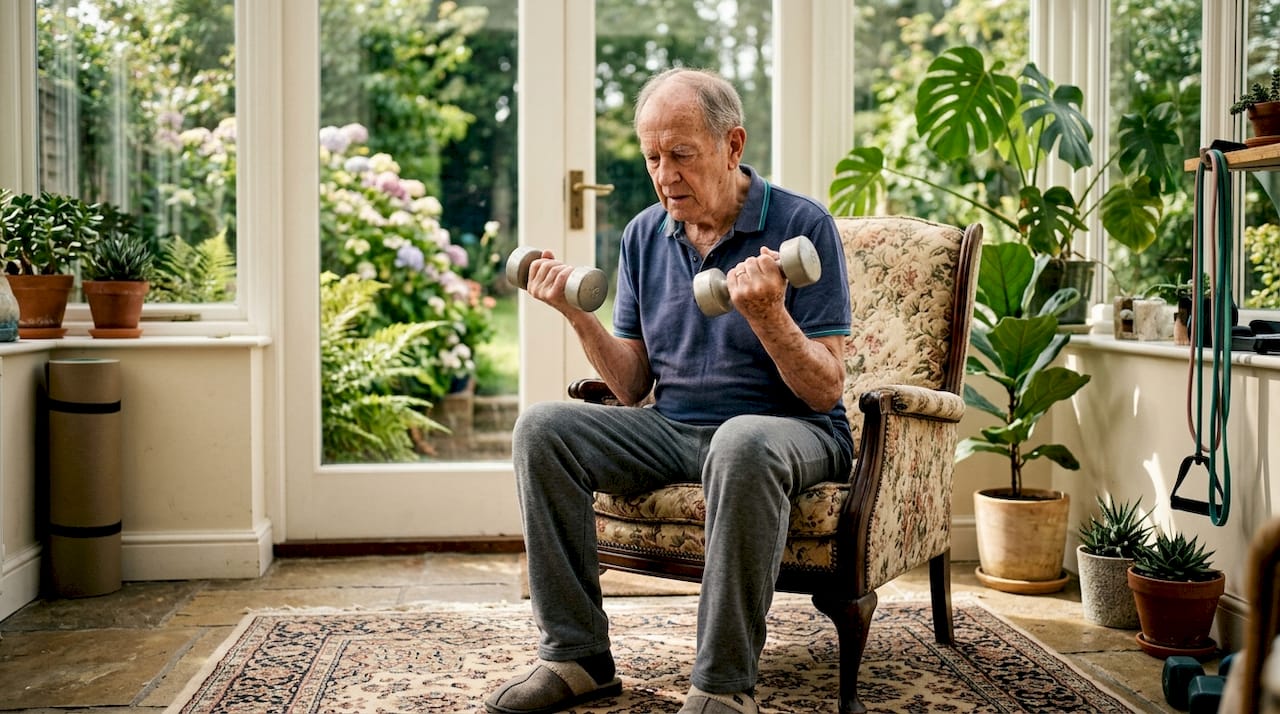
Regular physical activity is the single most evidence-backed strategy for maintaining independence, preventing disease, and supporting emotional wellbeing in older adults. The standard recommendation of 150 minutes of moderate aerobic activity per week remains valid, but the detail that matters most is consistency rather than intensity.
A common myth is that seniors need 10,000 steps daily to benefit. Research shows that 3,500 steps daily bring measurable cardiovascular and metabolic advantages. That figure is achievable for most older adults, including those with mobility limitations.
The four pillars of physical activity for seniors are:
- Aerobic exercise (walking, swimming, cycling) for cardiovascular health and weight management
- Resistance training twice weekly to combat sarcopenia, the age-related loss of muscle mass
- Balance exercises (standing on one leg, tai chi) to reduce fall risk
- Flexibility work (gentle stretching, yoga) to maintain range of motion and reduce joint stiffness
Sarcopenia affects a significant proportion of older adults and accelerates frailty. Progressive resistance training improves muscle mass, strength, and physical function more effectively than supplements alone. Starting with light resistance bands or bodyweight exercises is entirely appropriate.
Pro Tip: Choose an activity you genuinely enjoy. Seniors who walk with a friend, attend a group class, or garden regularly show far better long-term adherence than those following a prescribed programme they find tedious.
2. What nutritional practices support senior wellness?
A plant-based, whole-food diet with minimal processed additives forms the nutritional foundation for healthy ageing. Vegetables, legumes, wholegrains, nuts, and oily fish provide the fibre, antioxidants, and omega-3 fatty acids that reduce chronic disease risk.
Protein intake deserves particular attention. Older adults require more dietary protein per kilogram of body weight than younger adults to maintain muscle mass, yet appetite often declines with age. Practical ways to increase protein without large meal volumes include:
- Adding eggs, Greek yoghurt, or cottage cheese to breakfast
- Including a palm-sized portion of fish, poultry, or legumes at every main meal
- Using fortified milk or plant-based alternatives to boost calcium and vitamin D simultaneously
Calcium and vitamin D are critical for bone health. Vitamin D deficiency is widespread in older adults, particularly in northern climates with limited sunlight exposure. A qualified healthcare professional can assess whether supplementation is appropriate.
Hydration is frequently underestimated. The thirst mechanism weakens with age, so seniors can become dehydrated before feeling thirsty. Drinking water consistently throughout the day, rather than waiting for thirst, is a straightforward and effective habit.
Pro Tip: If appetite loss is a persistent issue, try smaller, more frequent meals rather than three large ones. Nutrient-dense snacks such as a handful of nuts or a boiled egg between meals can close nutritional gaps without requiring a large appetite.
3. How can mental and emotional wellbeing be maintained in seniors?
Mental health is not a secondary concern in later life. Depression affects 7% of adults aged 65 and over, and it is not a normal part of ageing. It is a treatable condition that responds well to professional intervention, social connection, and structured daily activity.
Cognitive stimulation through learning, hobbies, and problem-solving keeps the brain active and may reduce the risk of cognitive decline. Practical activities include:
- Learning a new language or musical instrument
- Completing crosswords, sudoku, or strategy games
- Attending local classes or online courses
- Reading widely and discussing books with others
Sleep quality has a direct impact on brain health. Poor or fragmented sleep is associated with increased risk of cognitive decline and mood disorders. Establishing a consistent sleep schedule, limiting caffeine after midday, and keeping the bedroom cool and dark are practical first steps.
“Social isolation carries as significant a health risk as many physical illnesses for older adults. Maintaining relationships, volunteering, and community involvement are not optional extras. They are core components of mental and emotional wellness.”
Social isolation is as significant a health risk as physical illness for seniors. Engagement through hobbies, volunteering, and regular contact with family and friends is protective for both cognitive and emotional health.
Pro Tip: Mindfulness does not require meditation cushions or apps. Five minutes of slow, deliberate breathing before bed or after waking is enough to reduce cortisol and improve sleep quality over time.
4. Why is regular medical monitoring important for senior wellness?
Preventive healthcare catches problems before they become crises. Cardiovascular disease causes around 80% of deaths in older adults, yet many of its risk factors are detectable and manageable through routine screening.
Annual checks worth prioritising include:
- Blood pressure monitoring to detect hypertension early
- Cholesterol and glucose testing to assess cardiovascular and metabolic risk
- ECG to identify atrial fibrillation, which significantly raises stroke risk
- Sarcopenia screening using the SARC-F questionnaire or a simple walking speed test
- Bone density scan for those at risk of osteoporosis
- Vision and hearing checks to maintain independence and reduce fall risk
The SARC-F questionnaire is a five-question tool that takes under two minutes to complete and flags sarcopenia risk accurately. Annual use is recommended from age 65 onwards.
Vaccinations are another underused wellness tool. The shingles vaccine, for example, may reduce the risk of cognitive decline and dementia, making it relevant well beyond its primary purpose of preventing a painful viral infection.
Adherence to monitoring and treatment plans is the biggest practical challenge. An interdisciplinary team including a GP, physiotherapist, and dietitian provides the motivation and accountability that sustains long-term behaviour change.
Pro Tip: Keep a single health folder, physical or digital, containing your medication list, screening results, and appointment dates. Sharing it with a trusted family member means nothing is missed if you attend an appointment alone.
5. What role do social connections and purposeful activities play?
Purpose and connection are measurable contributors to longevity. Seniors who maintain strong social ties and engage in meaningful activities show lower rates of depression, slower cognitive decline, and better physical health outcomes than those who are socially isolated.
Volunteering is one of the most effective wellness activities for seniors. It provides structure, social contact, a sense of contribution, and cognitive stimulation simultaneously. Local food banks, libraries, schools, and community gardens all welcome experienced volunteers.
Practical ways to stay socially and mentally active include:
- Joining a walking group, book club, or craft circle
- Attending adult education classes at a local college or community centre
- Maintaining regular phone or video calls with family members who live at a distance
- Participating in faith communities or neighbourhood associations
- Taking on a mentoring role in a professional or voluntary capacity
Continuing education deserves particular mention. Learning a new skill in later life builds new neural connections, which supports cognitive reserve. Many universities and colleges offer free or reduced-cost courses for older adults.
The synergistic combination of diet, physical activity, and emotional wellbeing is more effective than any single strategy in isolation. Social engagement amplifies the benefits of every other wellness habit by reducing stress hormones and reinforcing motivation.
Pro Tip: Balance social commitments with deliberate rest. Overscheduling is a real risk for active seniors. One or two quiet mornings per week for reading, reflection, or gentle movement supports recovery and prevents fatigue.
Key takeaways
Improving senior wellness requires a consistent combination of physical activity, sound nutrition, mental stimulation, social engagement, and preventive healthcare rather than any single intervention.
| Point | Details |
|---|---|
| Physical activity is foundational | Aim for 150 minutes of moderate activity weekly, including resistance training twice per week. |
| Nutrition requires active management | Prioritise protein, calcium, vitamin D, and consistent hydration to counter age-related deficits. |
| Mental health needs professional attention | Depression is not a normal part of ageing and responds well to timely professional intervention. |
| Annual screenings catch risks early | Cardiovascular, sarcopenia, and metabolic screenings each year reduce the risk of serious events. |
| Social connection is a health measure | Regular engagement through volunteering, hobbies, and relationships protects cognitive and emotional health. |
What I have learnt about making senior wellness actually stick
Most articles on improving elderly wellness list the right habits. Far fewer address why those habits fail to take hold. In my experience, the gap is almost never knowledge. Seniors and their families usually know that exercise, good food, and social contact matter. The gap is motivation, routine, and realistic expectations.
The research is clear that no single solution suffices for healthy ageing. What I find more interesting is the order in which changes tend to stick. Physical activity, even a short daily walk, tends to be the entry point that makes everything else easier. It improves sleep, which improves mood, which makes social engagement feel less effortful, which reinforces the motivation to keep moving. Start there.
Small, achievable goals matter more than ambitious plans. A senior who commits to a ten-minute walk every morning and keeps that commitment for three months has built something real. A senior who signs up for a five-day-a-week gym programme and abandons it in week two has not. Families can support this by celebrating consistency rather than intensity.
One thing I would push back on is the tendency to treat wellness as a solo project. The evidence on interdisciplinary care is strong. A GP, a physiotherapist, and a dietitian working together produce better outcomes than any one of them working alone. If you are supporting an older family member, advocating for that kind of coordinated care is one of the most useful things you can do.
Optimism is not a soft variable. It is a documented predictor of better health outcomes in older adults. Approaching ageing with a proactive attitude, rather than a resigned one, changes the decisions people make every day. That is worth taking seriously.
— Jord
Vivetus and senior wellness: a practical starting point
Healthy ageing is not a single decision. It is a series of daily choices, and having reliable support makes those choices easier to sustain.
Vivetus specialises in scientifically supported nutritional products designed for healthy ageing and vitality. Whether you are looking to address specific nutritional gaps such as vitamin D, protein intake, or bone health support, or simply want to build a more consistent wellness routine, the Vivetus range is built around the needs of older adults and their families. Explore the full senior wellness range at Vivetus.eu, where free shipping applies to orders over €50. For broader reading on evidence-based approaches, the healthy ageing strategies guide and the 2026 lifestyle tips guide offer practical, research-backed starting points.
FAQ
What are the most effective ways to improve senior wellness?
The most effective approach combines regular physical activity, adequate protein and nutrient intake, mental stimulation, social engagement, and annual preventive health screenings. No single habit works as well as the combination.
How much exercise do seniors actually need?
150 minutes of moderate aerobic activity per week is the standard recommendation, alongside resistance training twice weekly. Research shows that even 3,500 steps daily delivers measurable cardiovascular and metabolic benefits.
Is depression a normal part of ageing?
Depression is not a normal part of ageing. It affects around 7% of adults aged 65 and over and responds well to professional treatment, structured activity, and improved social connection.
How does social isolation affect senior health?
Social isolation carries a health risk comparable to many physical illnesses in older adults. Regular contact with family, friends, and community groups protects both cognitive function and emotional wellbeing.
What screenings should seniors have every year?
Annual screenings for blood pressure, cholesterol, glucose, and ECG are recommended, alongside sarcopenia assessment using the SARC-F questionnaire. Vision and hearing checks also support independence and reduce fall risk.